
Screen Printing onto Clothing
Looking for vibrant, long-lasting Personalised Screen Printed Clothing? Screen printing creates amazing high-volume personalised clothing. Whether you're launching a fashion line, planning a team event, or stocking up on branded merch, our expert screen printing service delivers bold colours and long lasting prints.
Fast Quote Response Free Expert Advice Get a Fast Quote Now Contact Sales

What is Screen Printing?
Screen printing – what is it? The screen printing process is a traditional printing technique where ink is pressed through a fine mesh screen for printing onto fabric, one colour at a time. Each design requires its own silkscreen screen printing screen, making it ideal for bold, vibrant prints that are built to last. It’s a popular choice for custom T-shirts, especially in bulk, as well as uniforms and event merchandise. Screen printed t-shirts are known for their rich colour, sharp detail, and durability; they hold up brilliantly to repeated washing and wear. If you're looking to create high-quality printed T-shirts with a professional finish, screen printing t-shirts is a reliable, time-tested option.
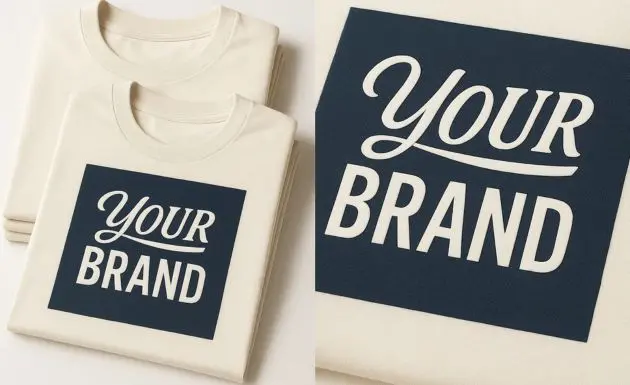
The Process Of Screen Printing Onto Clothing:
We start by mixing the ink to the required Pantone colour reference and applying it to the screen printing screens. Using squeegees, the ink is pushed through the mesh of the screen onto the garment. For dark garments, a white layer or flash layer of ink is applied first, and then the coloured inks are applied on top of this to ensure an accurate Pantone colour match. This screen painting process ensures vibrant, true-to-design results. We can screen print onto T-shirts, hoodies, jackets, sweatshirts, polo shirts, tote bags and many more products, providing custom solutions for all your needs.
To create the screen, artwork needs to be supplied in vector format (.ai, .eps or vector PDF) as each colour in the artwork is separated and a different screen is created for each colour that is to be printed. This is why screen printing incurs a higher set-up cost than other digital T-shirt printing techniques.
Comparing Direct To Film (DTF) Printing, Screen Printing and DTG Printing Methods
Compare DTF, Screen Printing and DTG to choose the most efficient printing method for your design, garment type, quantities and deadline. Each technique offers different advantages in terms of detail, durability, scalability and turnaround — helping you achieve consistent, high-quality results for everything from one-off prints to large repeat orders.

DTG Printing
Ideal for small to medium orders and on-demand production
Prints full colour designs, gradients and fine details easily
Works on cotton, polyester, blends, workwear and performance fabrics
No need for colour separation or complex setup
Fast turnaround times — great for express or last-minute jobs
Consistent results across repeat and multi-location orders
Slightly more noticeable print feel on large solid areas
Strong durability when washed correctly

Screen Printing
Most cost-effective for medium to large volume orders
Delivers bold, vibrant colours and excellent long-term durability
Best suited to simple graphics, logos and solid colour designs
Requires setup per colour, increasing cost for complex artwork
Produces a very soft finish when using high-quality inks
Ideal for retail merchandise, events, uniforms and promotional campaigns
Highly efficient for repeat bulk production
Longer preparation time before production starts

Direct To Film (DTF)
Perfect for very small orders, samples and personalised garments
Prints photographic images and highly detailed artwork directly onto fabric
Best results on 100% cotton or high cotton-content garments
No setup costs — economical for one-off or low-quantity orders
Produces a soft, breathable print feel
Slightly less vibrant on dark garments compared to DTF or screen printing
Slower for large runs compared to screen printing
Why Choose Screen Printing?
If you want prints that really pop and stand the test of time, screen-printing is a brilliant choice. It’s perfect for getting bold, vibrant designs onto clothing from team gear to branded workwear.
Screen printing onto clothing gives a clean, high-quality finish that holds up wash after wash, making it ideal for busy teams, events, or everyday wear. Screen printed T-shirts, in particular, have that crisp, professional look people notice, and they’re cost-effective too, especially for larger orders. It’s a tried-and-tested method that delivers impact, durability, and style.
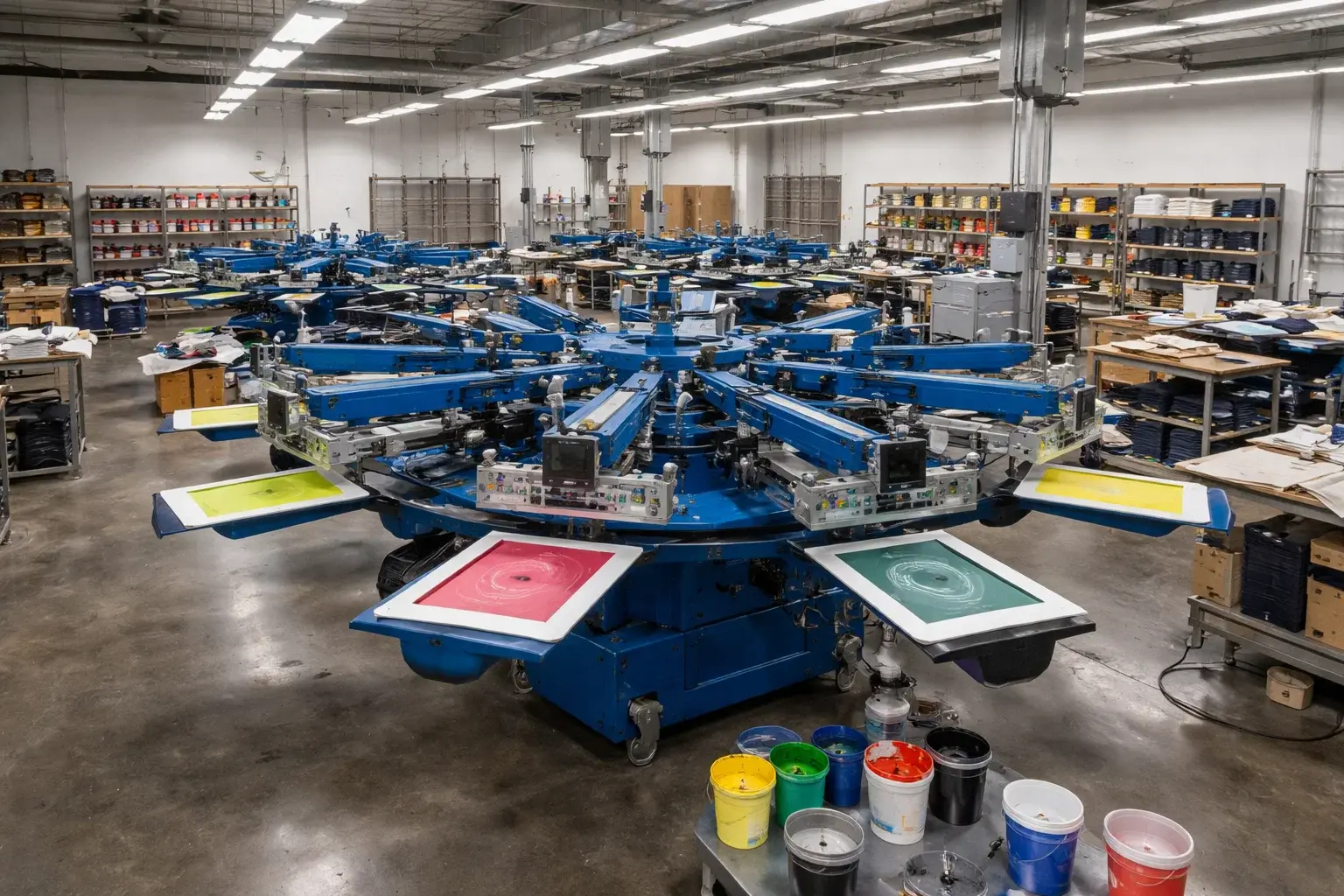
Advantages of Screen Printing
1. Bold, Vivid Colours
Screen printing delivers strong, vibrant colours thanks to thick layers of ink that sit on top of the fabric. Pantone colour matching to keep true to brand colours & guidelines. Giving a professional finish.
2. High Long Lasting durability & Quality
The inks used are long-lasting and resistant to repeated washing, making screen printing ideal for garments that will see heavy use, such as uniforms, workwear, or promotional apparel.
3. Cost-Effective for Bulk Orders
Very competitively priced – the more you order the cheaper the price. The cost per unit decreases significantly with volume, making it ideal for big runs.
4. Fastest printing technique for printing in large volumes
Screen printing is the fastest technique for producing high volumes of printed clothing quickly, without compromising on quality.
5. Produces designs with multiple colours
Screen printing allows for vibrant, multi-colour designs with sharp detail and long-lasting results.
6. Special Ink Effects Possible
You can incorporate metallic inks, fluorescent inks, puff inks, and other speciality finishes that aren’t typically available with digital methods, allowing for unique creative designs.
Disadvantages of Screen printing
1. High Setup Costs for Small Runs
Each colour requires a separate screen, which takes time and money to produce. More screen printing equipment means higher costs. For short runs or one-off designs, the setup costs are not cost-effective.
2. Limited Colour Usage per Design
The process becomes more complex and expensive with each additional colour. It’s best suited for designs with fewer colours and less intricate detail.
3. Not Ideal for Photographic or Gradient Designs
Fine details, gradients, or photo-realistic images are difficult to reproduce accurately. Screen printing works best for bold lines and graphic elements.
4. Environmental Considerations
Traditional screen printing can generate chemical waste and requires water for cleaning screens. Unless eco-friendly inks and practices are used, it can be less sustainable. Ask for our eco screen printing options.
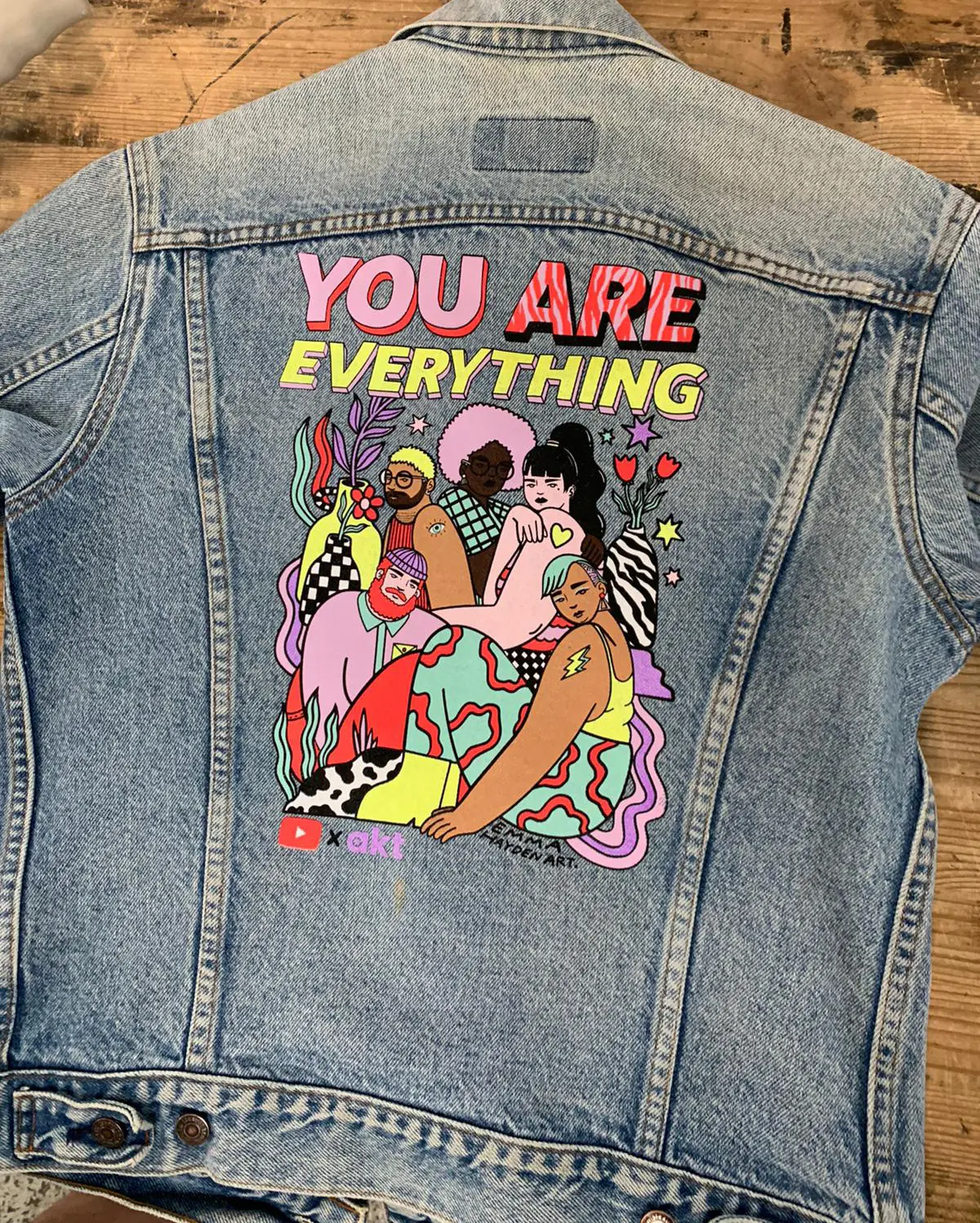
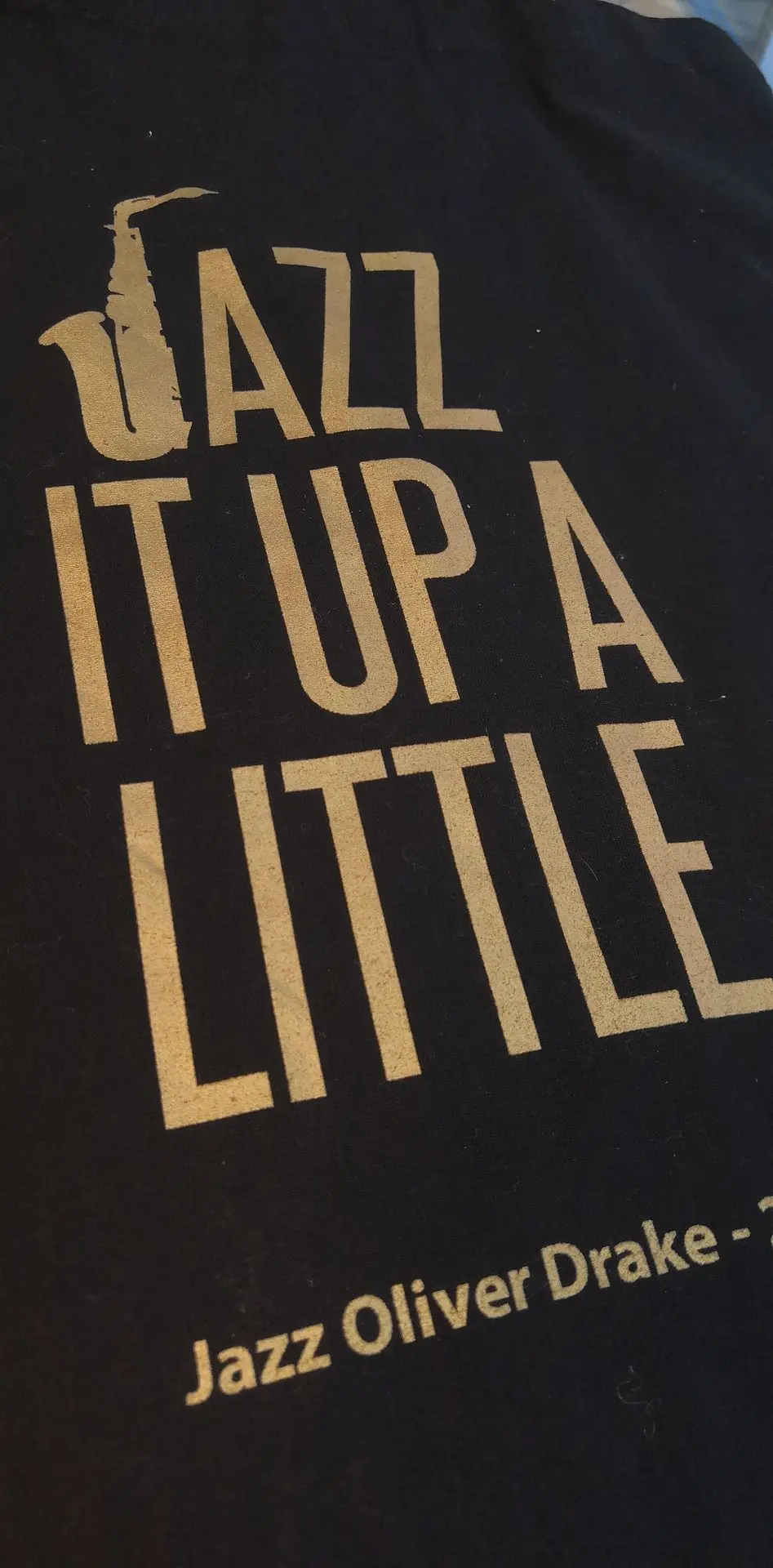
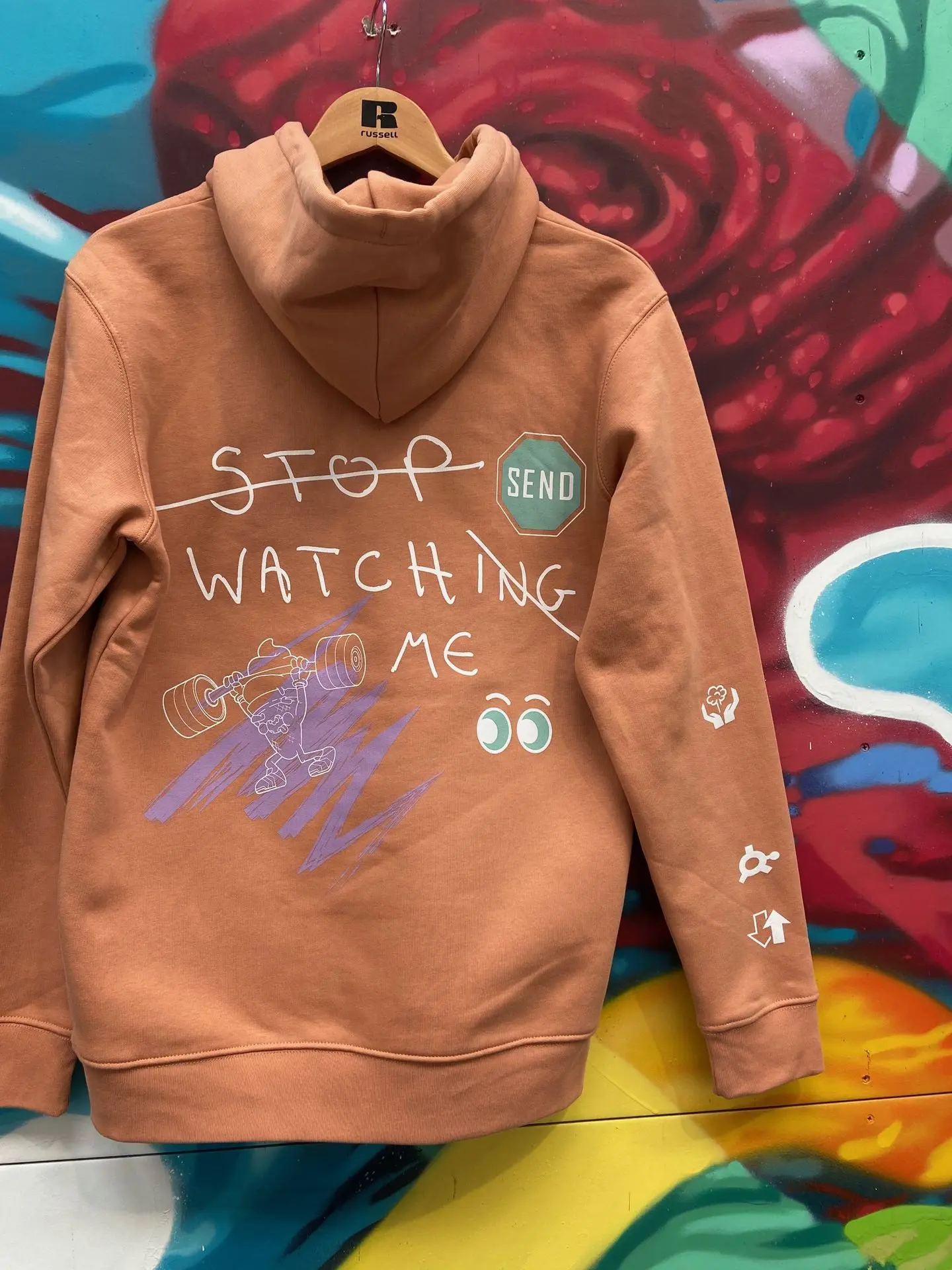
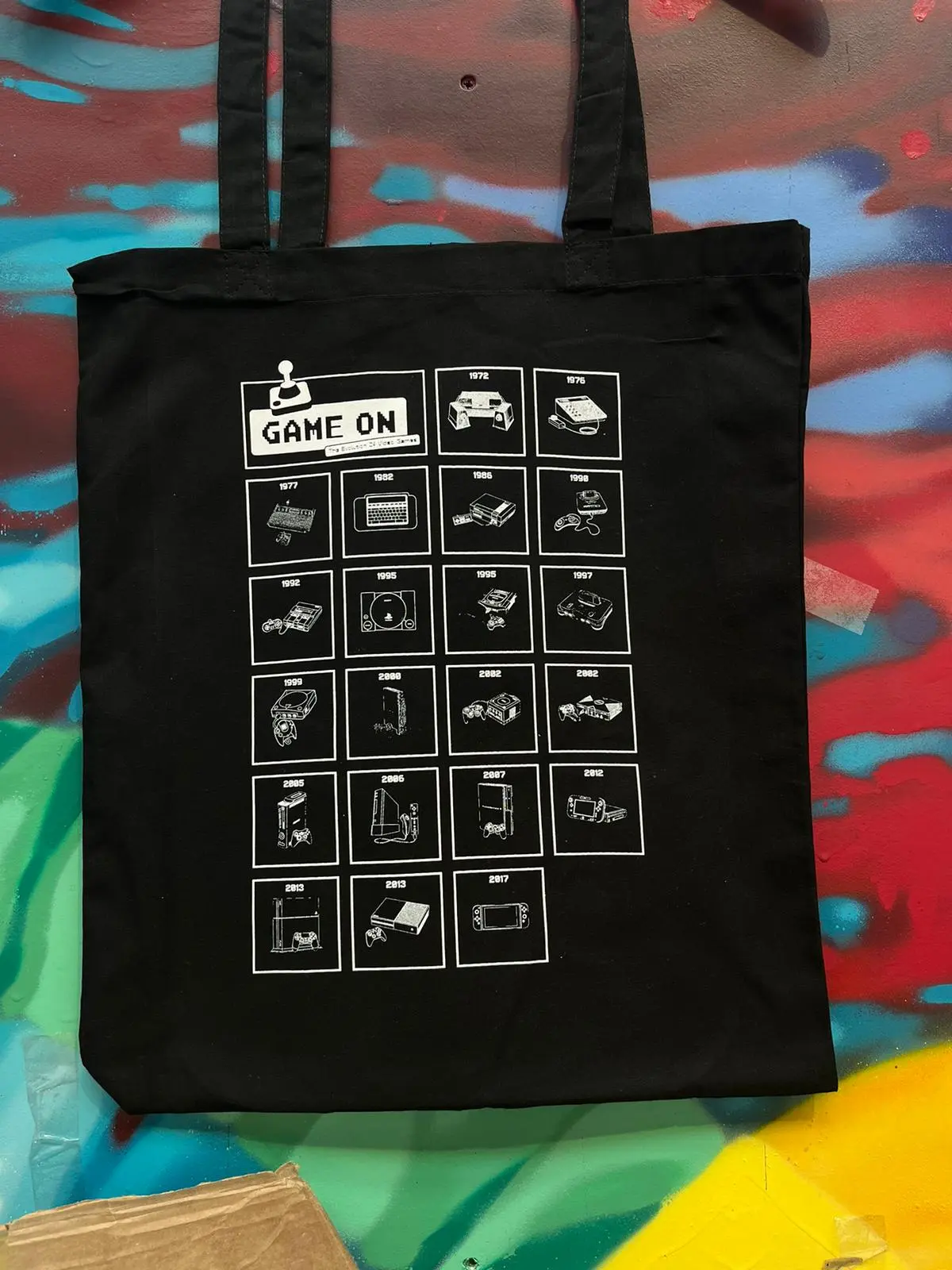
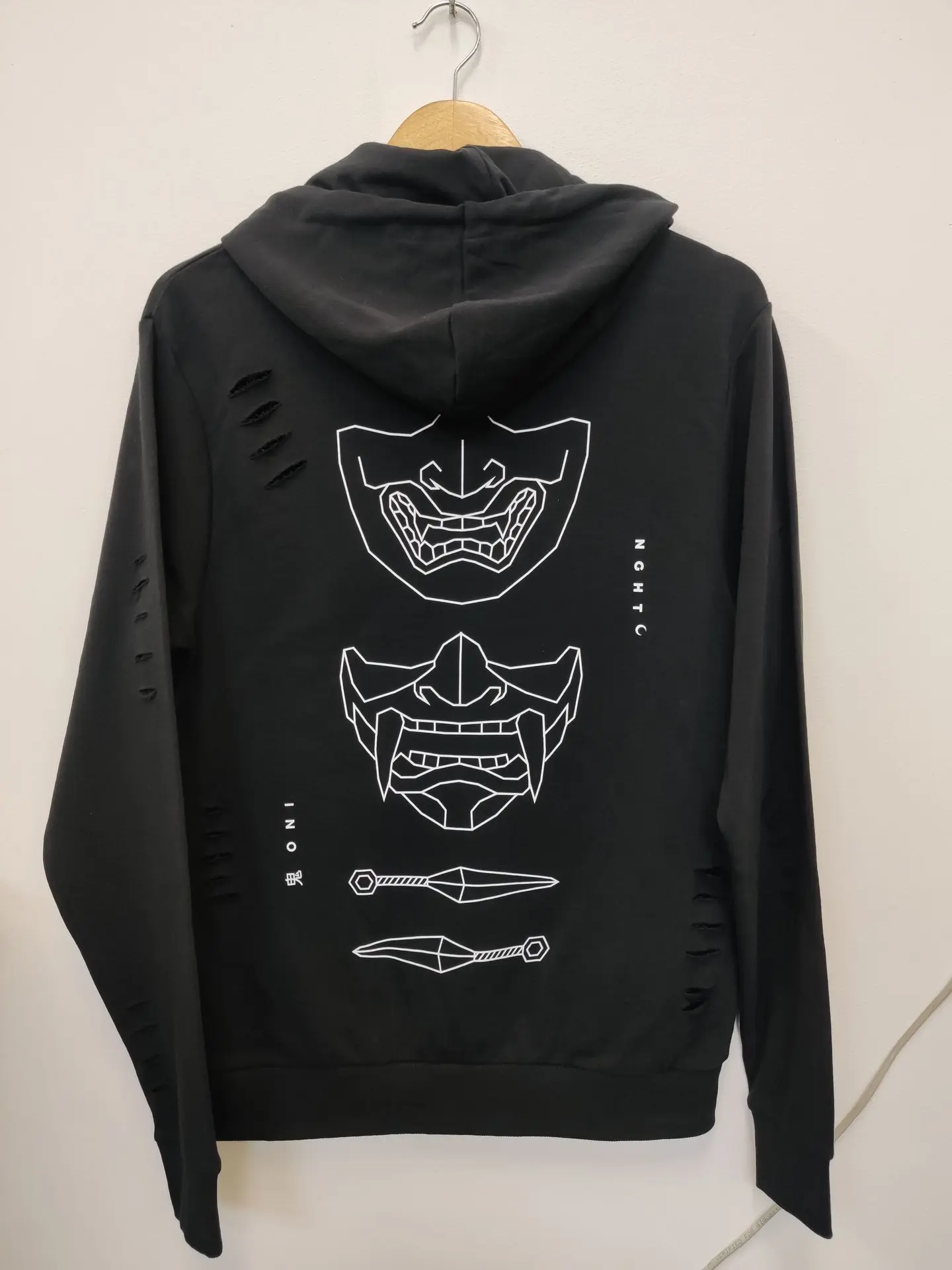
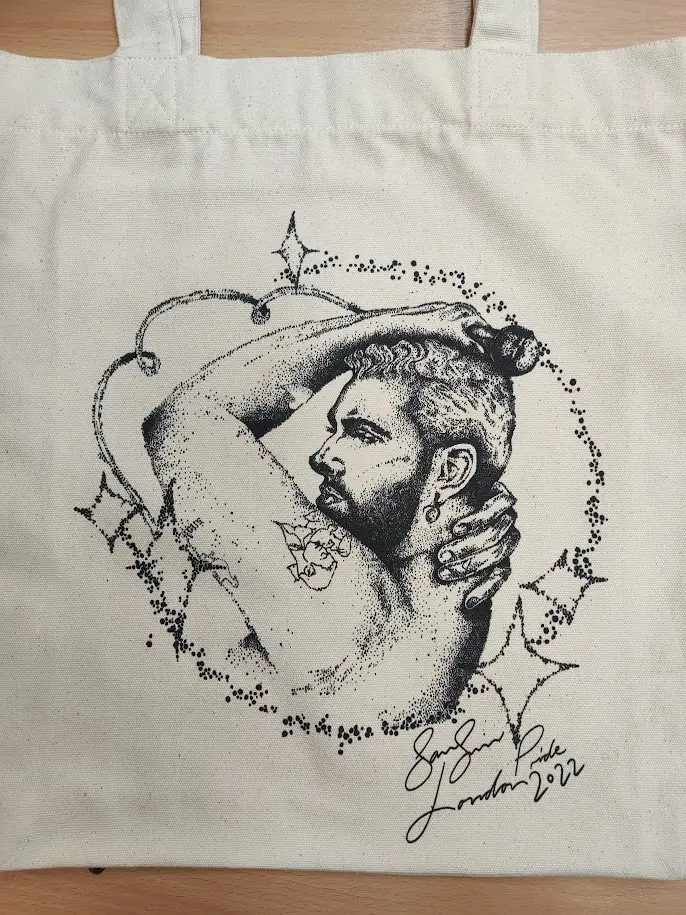
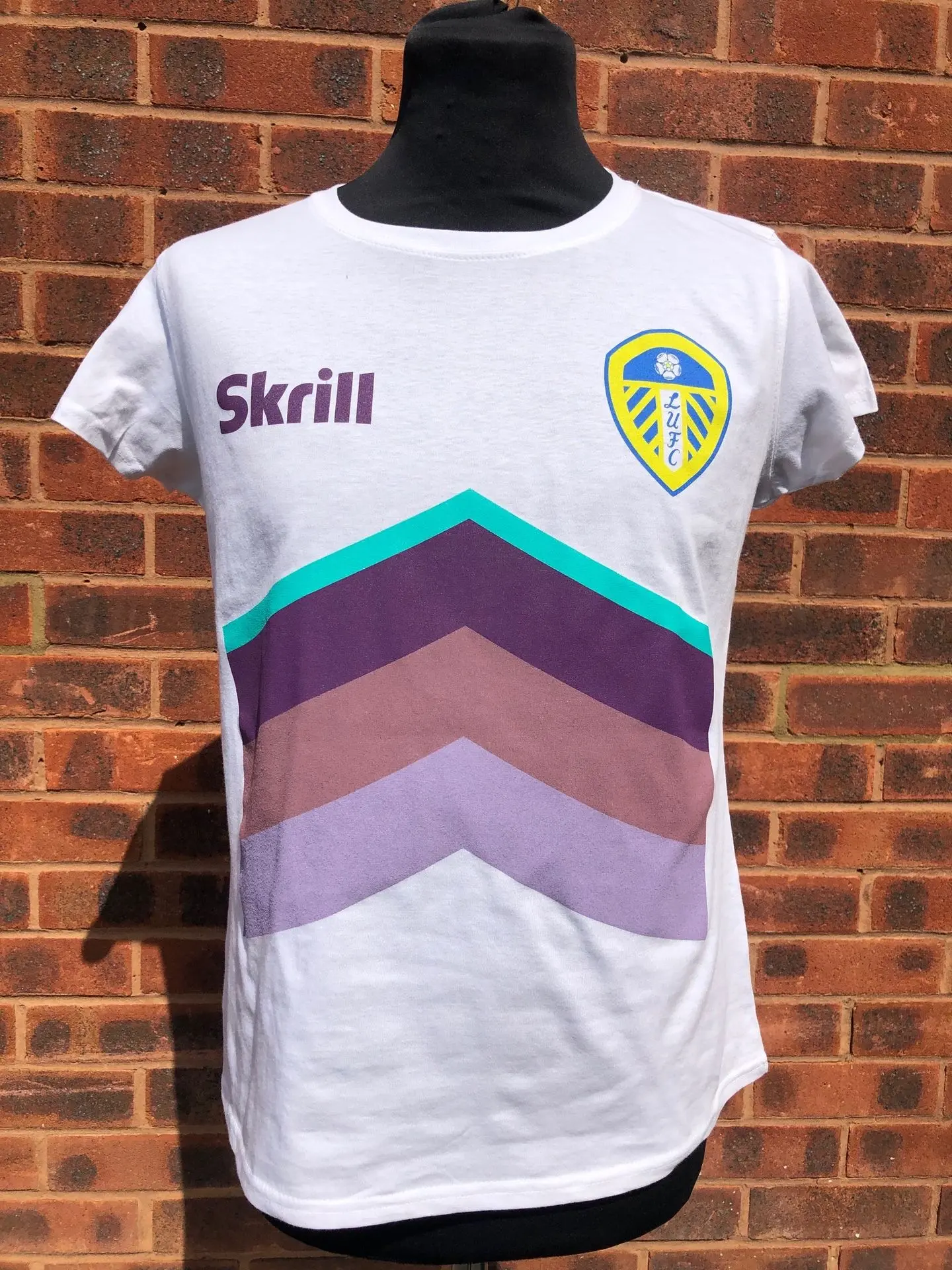
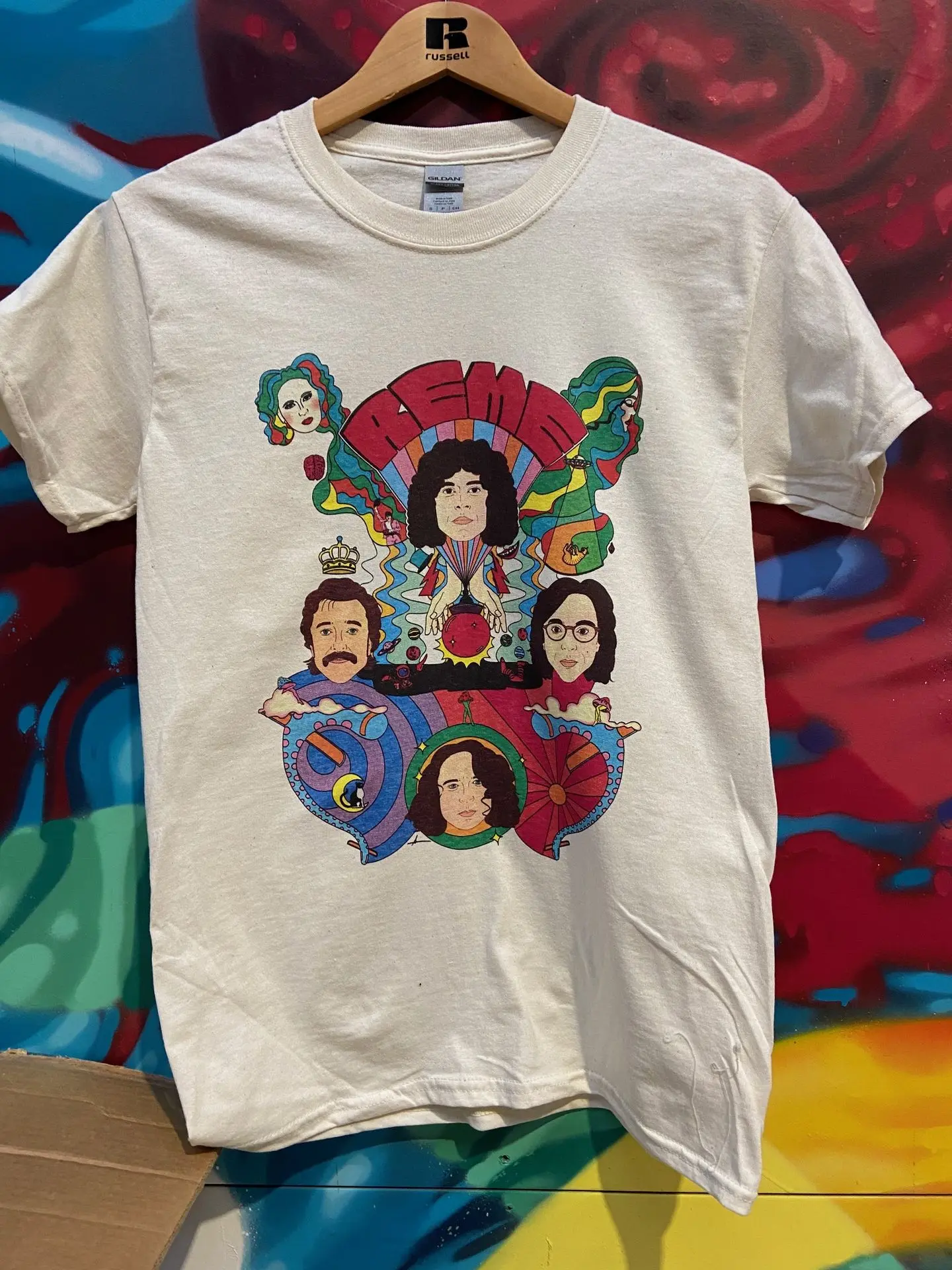
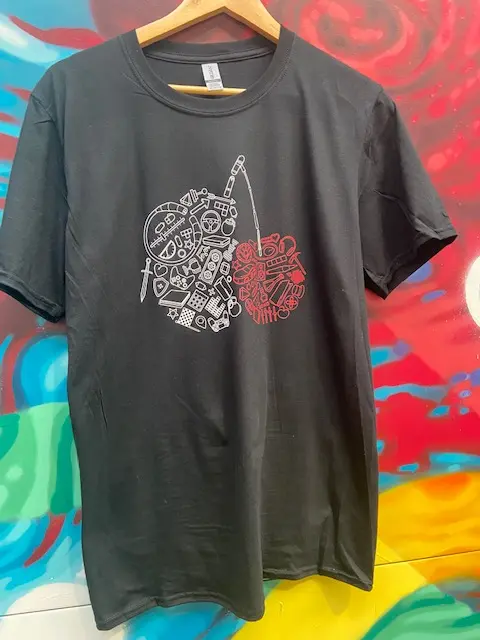
Our Screen Printing Gallery


Your Order, Made Easy in 4 Steps

1. Tell us about your project needs
Share your requirements, quantities and deadlines with our team so we can recommend the best solution.
2. Expert advice & visual mock-ups
We recommend the best products and printing methods, then provide mock-ups for approval before production.
3. Production & Quality control
Your order is produced using professional printing and checked at every stage to ensure quality.
4. On-time delivery, every time
We deliver your order on time to offices, events and venues across the UK and worldwide.
Need Expert Advice?
Fill in the details below and our team will get back to you shortly.

Check Out Prices & Artwork Guidelines for our Printing Techniques
Explore printing prices and artwork guidelines — everything you need to get started with confidence, backed by expert support when you need it.
Printing Prices Artwork GuidelinesAdvanced Screen Printing Effects & Finishes - Screen Printing Techniques
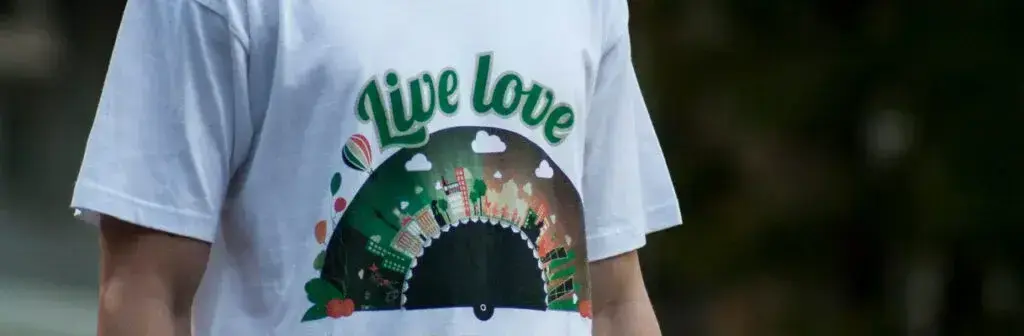
Looking for more ways to make your designs stand out? Our additional screen printing techniques offer unique finishes and enhancements tailored to your specific needs. Whether you're after bold colours, added texture, or a premium feel, these options help bring your vision to life with style and precision.




More Garment Printing Techniques Explained
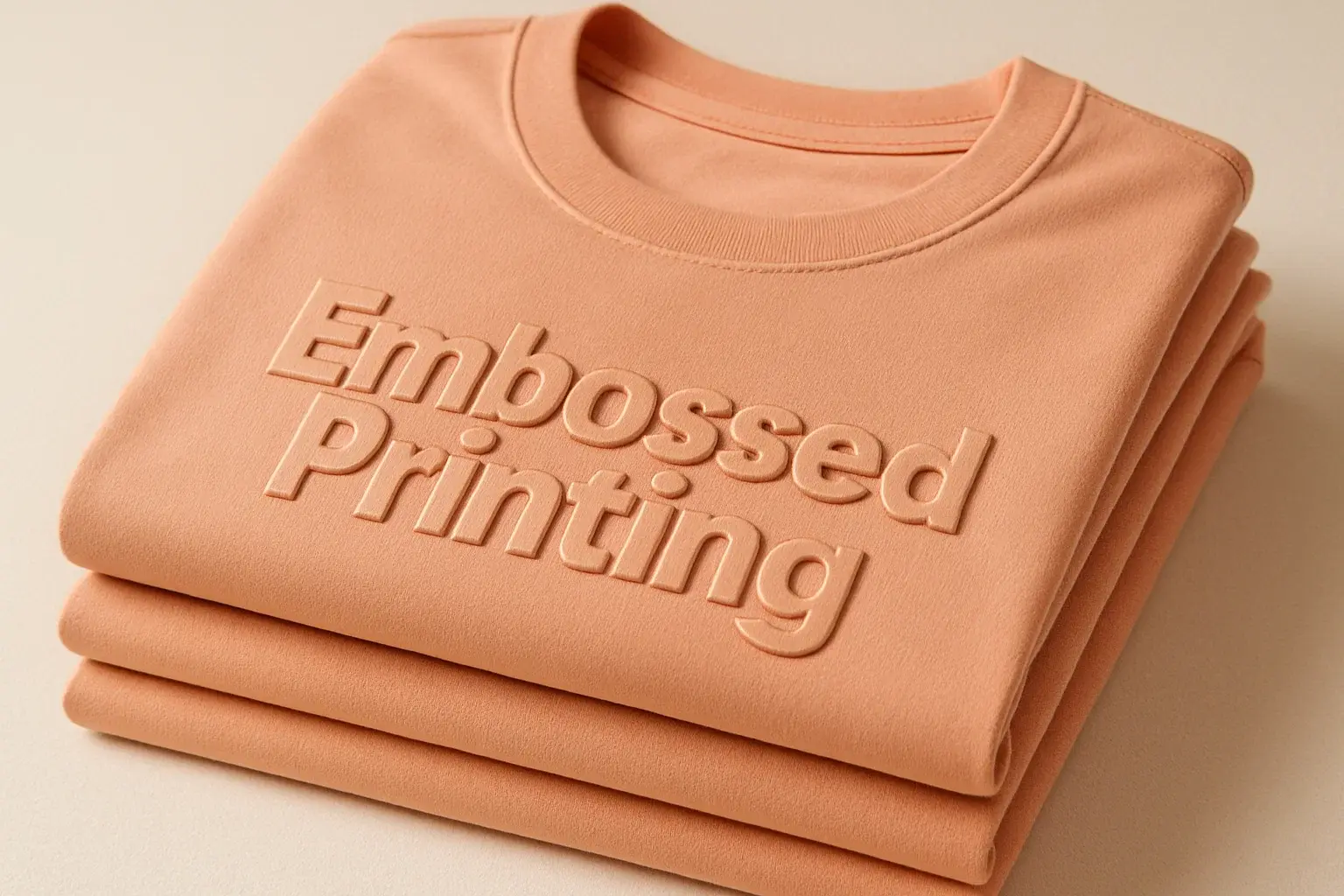
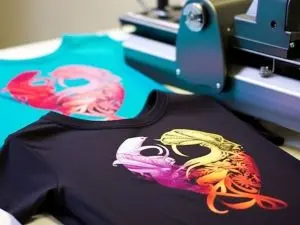
Looking for the best printing method for your design and garment choice? At Garment Printing, we offer a wide range of professional printing techniques to suit every style, budget and project requirement. Whether you need vibrant full-colour detail, fast turnaround or eco-friendly options, our team has the expertise to deliver. Explore the techniques below and find the right solution for your next project — we’re here to guide you every step of the way.




Frequently Asked Questions About Screen Printing
Find quick answers to our most common questions about Screen Printing
Screen printing is a traditional garment decoration method where ink is pushed through a mesh screen onto the fabric. Each colour in the design is applied using a separate screen, creating bold, vibrant and long-lasting prints.
Screen printing works best on cotton and cotton-blend garments such as T-shirts, hoodies, sweatshirts, tote bags and promotional clothing. It is widely used for uniforms, events, merchandise and retail collections.
Yes — screen printing is one of the most durable printing methods available. The ink bonds strongly with the fabric, making prints resistant to washing, fading and everyday wear when cared for properly.
Screen printing is generally more cost-effective for medium to large quantities because of the setup involved in creating screens. For very small orders, other techniques like transfer printing or DTF may be more economical.
Screen printing is excellent for bold graphics, logos and solid colour designs. Very fine details or photographic images can be more challenging, especially when many colours are involved.
Multiple colours can be printed, but each colour requires a separate screen and setup. This can increase production time and cost for complex, multi-colour artwork.
High-quality screen printing typically feels soft and smooth. The feel depends on the ink type, design size and number of print layers used.
Yes. Special inks and underbase layers allow bright, vibrant prints on dark fabrics while maintaining strong colour visibility.
Production time depends on order size, number of colours and artwork preparation. Once screens are prepared, screen printing is very efficient for large runs and repeat orders.
Wash garments inside out at around 30°C, avoid harsh detergents, and do not iron directly on the print. Air drying is recommended to maintain print quality and longevity.

Let’s Talk About Your Next Project
At Garment Printing, we support you from product selection to production and delivery. Share your requirements and timelines, and our team will guide your project from start to finish.
Get a Fast Quote